


Part 1 of a four-part series highlighting the Marcellus Shale Coalition’s four key industry priorities: capitalizing on downstream opportunities, infrastructure buildout, regulatory predictability, and operational reliability.
Growing in-basin demand represents a tremendous opportunity for Pennsylvania’s natural gas industry. From powering our homes and businesses to providing heat, supporting manufacturing, and meeting rising electricity needs, Pennsylvania natural gas is uniquely positioned to serve a growing market right here at home.
The Commonwealth’s abundant natural gas resources are helping address rising energy demand while creating lasting value for workers, landowners, and families across the state. As more energy is used in- basin, the benefits multiply by driving new investment, supporting good-paying jobs, strengthening communities, and furthering economic growth.
Keeping the Lights On and Bills More Affordable
One of the most direct ways all Pennsylvanians benefit from in-basin natural gas use is through electricity generation. Natural gas fuels more than 60% of Pennsylvania’s electricity while using only 14% of annual production, demonstrating both the efficiency of the resource and the opportunity for continued growth.
That efficiency also has real implications for families and businesses because a domestic, abundant supply means Pennsylvania communities are not at the mercy of volatile global markets or strained supply chains.
In a time of rising electricity prices, natural gas as a feedstock has actually helped to keep the generation portion of household bills in check, despite significant increases in non-electric generation portions of electricity bills, like transmission, distribution, and government-mandated alternative energy requirements.
The savings for families and businesses that use natural gas are even greater. In 2025 alone, natural gas utility consumers saved more than $8.83 billion when compared to pre-Marcellus era prices. At a time when the price of everything is escalating, families deserve every opportunity to save where they can, and natural gas is delivering that savings.
Yet, historic levels of retirements of baseload power generation over the past fifteen years, coupled with a reluctance to build new generation in Pennsylvania due to looming taxes on power plants, has strained the electric grid and created real doubts about reliability going forward.
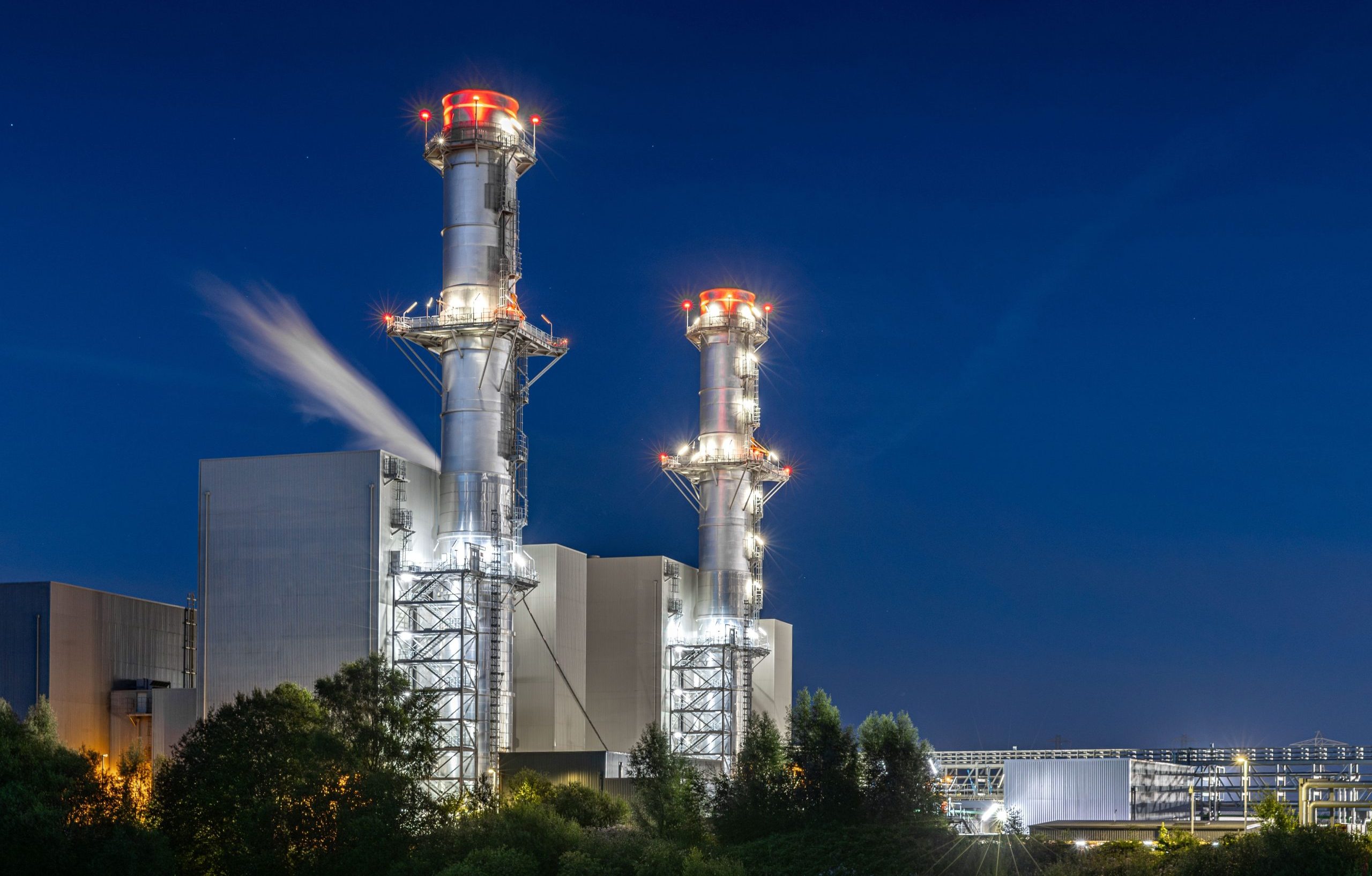
That’s where natural gas comes in. Pennsylvania is poised to meet the challenge of grid reliability through the building of new baseload power plants fueled by locally produced, clean and affordable natural gas. This presents a real opportunity to increase production, generate additional Impact Fees and other business tax revenue, and bolster royalty payments to the hundreds of thousands of Pennsylvania leaseholders.
Fueling the Digital Economy
The next frontier for in-basin natural gas demand is already taking shape. Data centers powering cloud computing and artificial intelligence currently consume about 4.4% of all U.S. electricity, and that figure is projected to climb by as much as 200% over the next three years. Nearly half of U.S. utilities are already receiving power requests from data centers that exceed their current generation capacity. Few states are better positioned than Pennsylvania to help meet that need while protecting consumer costs.
The Commonwealth’s combination of abundant natural gas reserves, a strong manufacturing base, a skilled workforce, and leading research universities makes it a natural hub for the digital economy. Winning the global AI race is a matter of national security, and Pennsylvania natural gas gives the U.S. a decisive advantage.
Demand isn’t coming only from emerging technologies. Manufacturers, industrial facilities, and commercial businesses across Pennsylvania rely on affordable, reliable energy to support day-to-day operations and remain competitive.
Cleaner Transportation
In-basin natural gas use extends well beyond the power grid. Compressed natural gas (CNG) is proving to be a reliable, cost-effective, and lower-emission fuel for heavy-duty transportation. During the annual Little League World Series in Williamsport, for example, buses fueled by locally-sourced CNG transported players, fans, and families from around the world. Other regional transportation authorities, such as Centre County, have long embraced the benefits of CNG buses, while fleet vehicles like Waste Management perform critical services in our communities while powered by clean natural gas.
CNG vehicles offer significant emissions benefits compared to conventional fuels, reducing nitrogen oxide emissions by up to 95% and producing virtually no particulate matter. Those reductions can provide meaningful public health benefits for the communities they serve. With almost 30% of total U.S. emissions coming from the transportation sector, expanding the use of natural gas vehicles represents an opportunity to further reduce emissions. CNG in heavy duty vehicles, for example, has 17% fewer emissions when compared to traditional diesel vehicles.
An Economic Engine Driving the Whole State
The numbers tell a compelling story. Pennsylvania’s natural gas industry generates roughly $41 billion in economic activity each year, representing approximately 5% of the entire state’s gross domestic product.
As MSC President Jim Welty put it, ” That 5% drives the other 95%, because it’s the energy that is being used by the industries in the economy throughout Pennsylvania.”
The industry also supports approximately 120,000 direct and indirect jobs statewide and pays landowners more than $6 billion annually in royalties, providing a meaningful and ongoing financial benefit to the families and communities sitting above the resource. As energy use grows, so do investment, job creation, and economic activity throughout the state.
More Than a Resource
Expanding how and where natural gas is used within the Commonwealth creates a recurring litany of benefits: more investment in infrastructure and operations, more jobs across the energy and manufacturing sectors, and greater returns for the landowners and communities above the resource.
For a state with Pennsylvania’s reserves, workforce, and industrial heritage, that connection between energy development and market growth is no accident. Meeting growing in-basin energy demand doesn’t just keeping the lights on, it drives investment, supports family sustaining jobs, and creates economic opportunities across the Commonwealth.
