


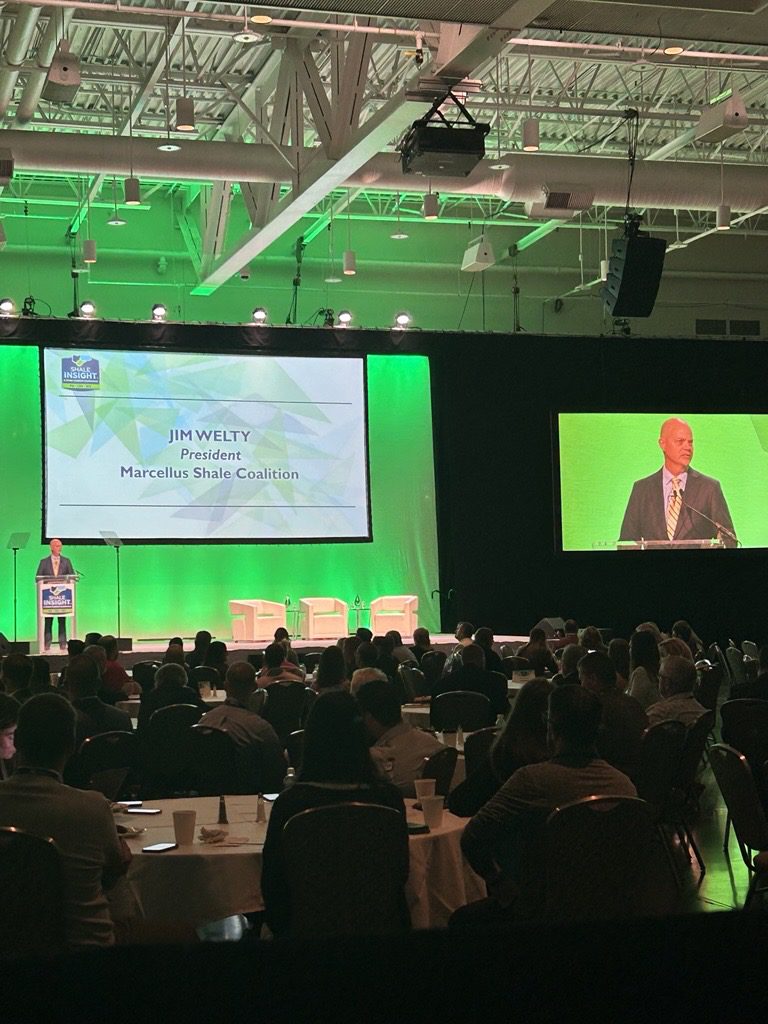
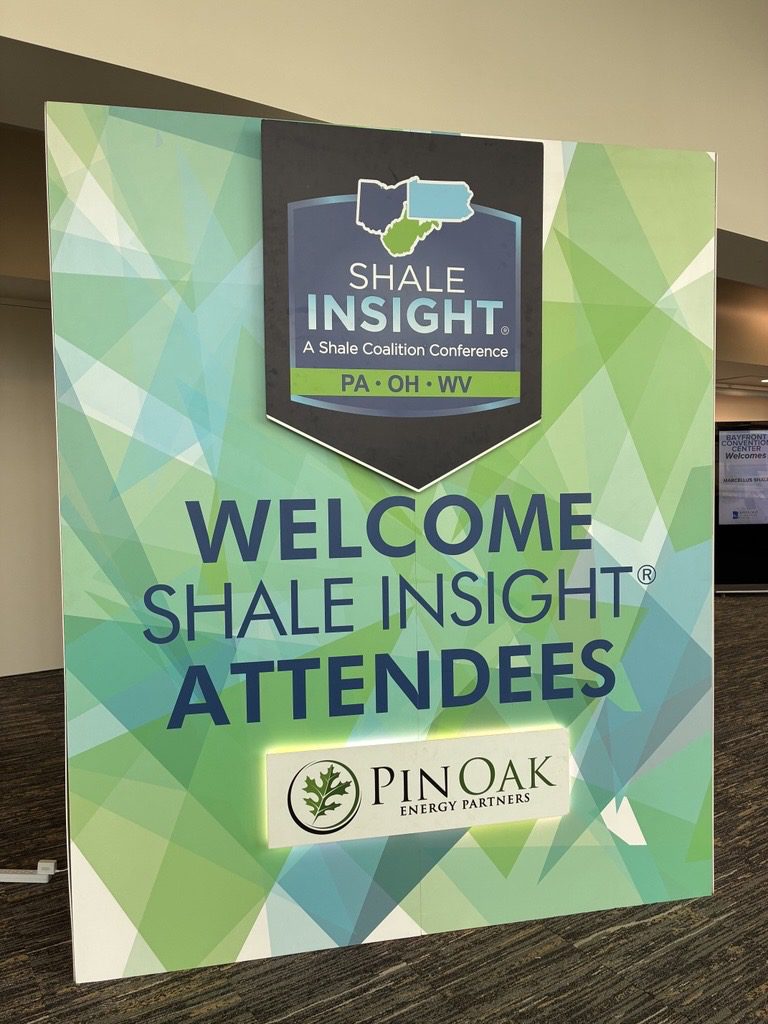
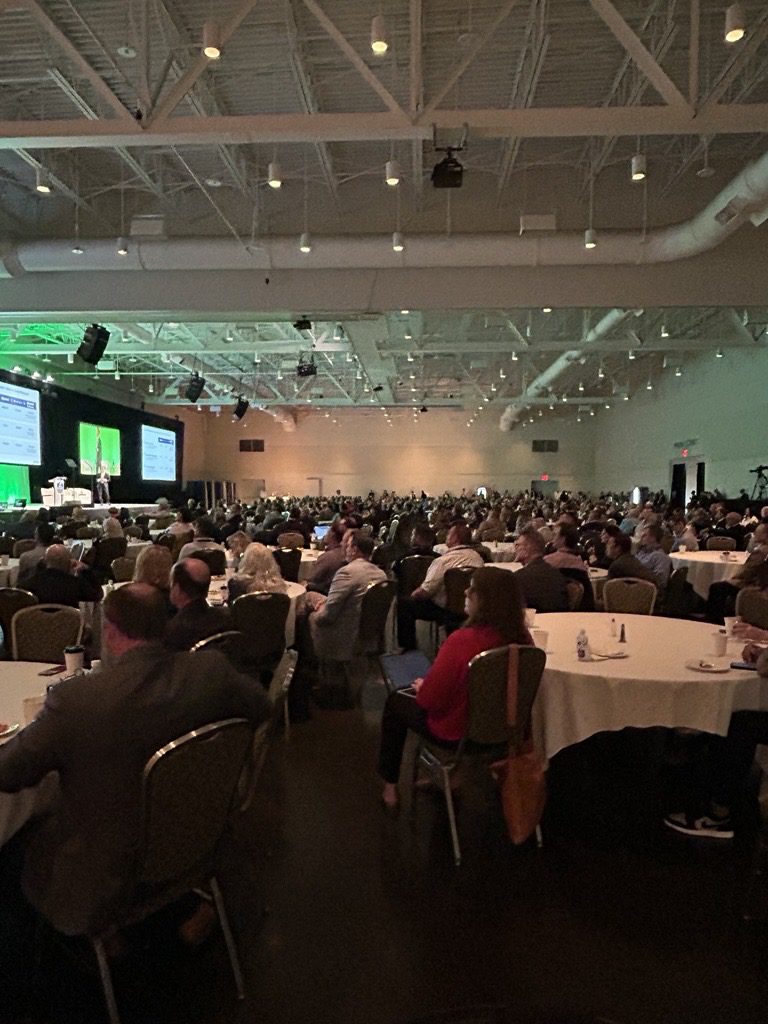
The Marcellus Shale Coalition’s 16th annual SHALE INSIGHT ® conference wrapped up Thursday, Sept. 24th at the Bayfront Convention Center in Erie, PA. Over 900 attendees, including industry and policy thought leaders, along with a sold-out exhibit hall all came together to address one critical question: what comes next for Appalachian energy?
From U.S. Senator Dave McCormick and the U.S. Department of Energy to Meta, MSC member companies, and our partners in the building trades, this year’s speaker lineup tackled one of the region’s biggest opportunities: how to meet surging demand for reliable energy and what it will take to build the infrastructure needed to deliver it to consumers and growing markets.
“The leaders gathering here will determine what gets built next,” MSC President Jim Welty told attendees.
Demand Signals “Like Nothing I’ve Ever Seen Before”
One message was consistent throughout the conference: demand for reliable power is growing faster than the infrastructure to deliver it. Deputy Secretary for Energy, James Danly, told attendees that natural gas is the most critical resource for meeting that demand.
“The most important single source of electricity we have is going to be gas generation. And when you look at the requirements for power…the demand signals are like nothing I’ve ever seen before, and there’s no indication that they’re going to drop.”
Other strong demand signals, such as the growth of U.S liquefied natural gas (LNG) exports, are also driving demand. Expand Energy CFO Marcel Teunissen pointed to LNG as the most dependable driver of new demand, particularly as pipeline constraints hold back Appalachia’s ability to answer the call.
“It’s very predictable. We know that LNG is coming,” Teunissen said.
Technology that Moves the Needle
In a fireside chat, EQT Executive Vice President of Upstream, Sarah Fenton, described what’s next on the technology front, highlighting the company’s recent achievement of drilling the longest lateral in the shale era at more than 29,000-feet. Fenton said these innovations allow 3,000 acres of Marcellus Shale developments from a single three-acre pad.
The next frontier, she said, is recovery. With Marcellus recovery factors in the 20–25% range, Fenton said there is still an enormous resource left in the rock, and that secondary and tertiary recovery methods are being tested today.
But unlocking that potential will require a regulatory framework that can keep pace with the technology itself.
“Regulations should not impede new technologies but instead provide a stable framework that allows industry to develop new tools that improve safety and performance,” as Keith Coyle from the Pipeline and Hazardous Materials Safety Administration (PHMSA) put it during a discussion alongside the Federal Energy Regulatory Commission.
Federal permitting reform was another key focus of the conference, with Anne Bradbury, President and CEO of the American Exploration & Production Council (AXPC), stressing the need for policy certainty and Amy Andryszak, President and CEO of the Interstate Natural Gas Association of America (INGAA), highlighting the importance of moving projects from review to construction.
“We are very focused on policy durability and certainty. Our objective is to ensure that American producers have a workable and stable environment even in an uncertain political atmosphere.” Bradbury said.
“If America got it right, we would have less projects under review and more under construction.” Andryszak added.
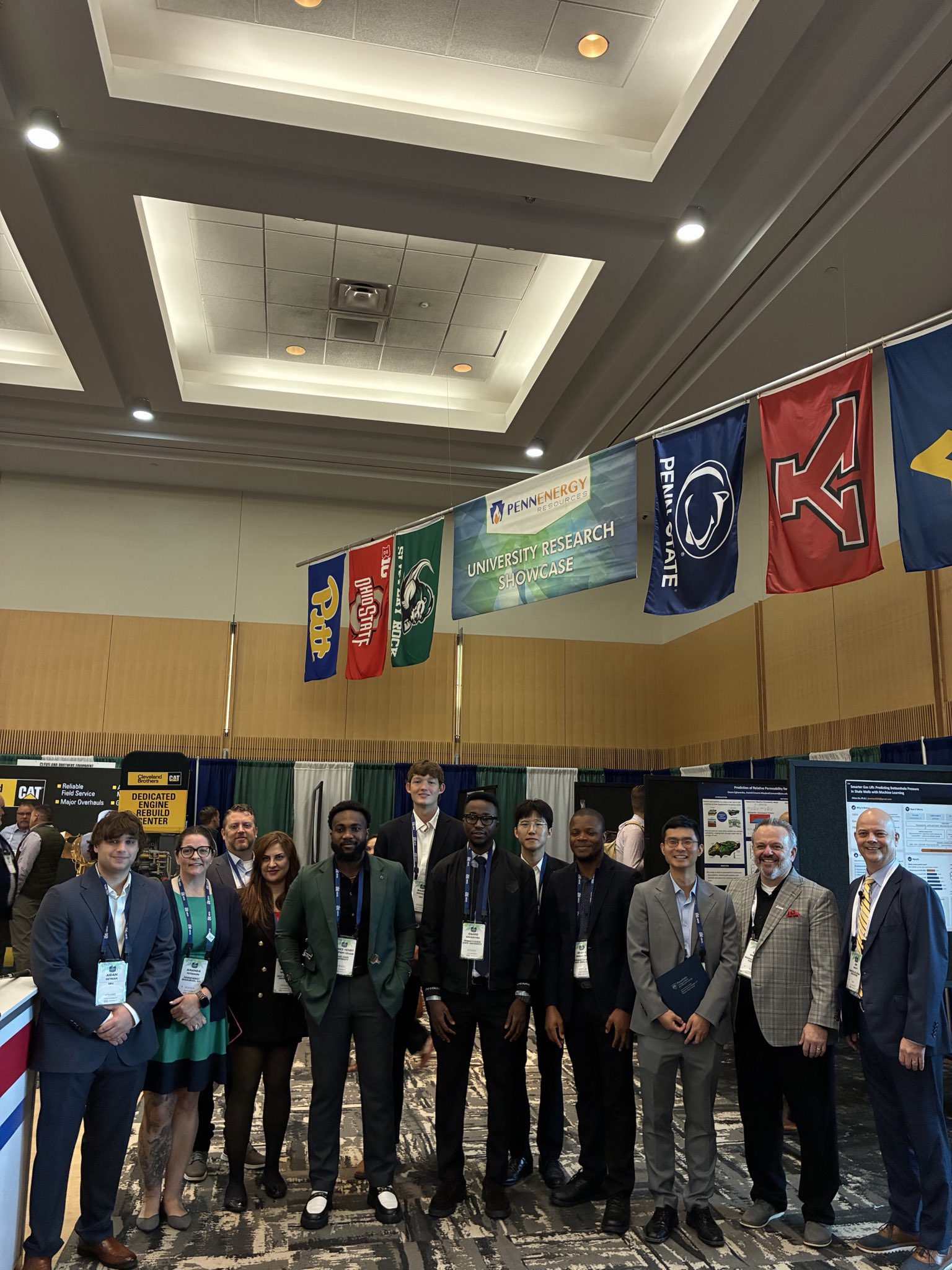
Attendees also saw the industry’s latest innovations firsthand in the Technology Showcase and the University Research Showcase – everything from methane detection and capture to borehole imaging.
“We have one of the best environmental records in the nation here in the Appalachian Basin… that’s why we’re here. We’re here to elevate the standards under which we operate,” Welty told YourErie.com.
Soundbites from Erie
“Energy brings people out of poverty and gives them hope for the American dream. Who can stand against that?” – Timothy Simmons, International President, International Brotherhood of Boilermakers
“Energy infrastructure is the backbone for everything we do. Meta wants to strengthen it and not strain it.” – Etta Lockey, Director of Commercial Energy Supply, Meta
“At the moment, the most important single source of electricity we have is going to be gas generation…And when you look at the requirements for power, the demand signals are like nothing I’ve ever seen before, and there’s no indication that they’re going to drop.” – Deputy Energy Secretary, James Danly
“Natural gas, the center of the Shale Insight conference and the Marcellus Shale Coalition, figures strongly into the plans of data centers because many of the projects will be powered by natural gas power plants and Marcellus and Utica Shale natural gas.” – Pittsburgh Business Times
“Look at who’s on that stage: a Big Tech energy buyer, a U.S. senator, the DOE, FERC, PHMSA, and the Boilermakers union…Today, the people who run the world’s biggest data centers are showing up at a shale conference…Gas doesn’t take nights off.” – Marcellus Drilling News
“SHALE INSIGHT is about making sure the systems, permitting processes, infrastructure, and policies are in place to match the industry’s commitment to invest, innovate, and grow while continuing to deliver the affordable, reliable energy that families, businesses, and communities depend upon.” – Jim Welty, President, Marcellus Shale Coalition
