


It’s one thing to report on power markets and electricity costs in Pennsylvania. It’s another to mislead readers about what’s actually behind price increases – and worse, to sidestep the enormous environmental and economic benefits that natural gas development and use has delivered to the Commonwealth and beyond. And that’s exactly what Inside Climate News (ICN) just did.
ICN’s recent piece (“Fracking’s Broken Promise to Pennsylvania”) is a masterclass in misdirection. But that shouldn’t be a huge surprise coming from an organization that is funded by environmental foundations and non-profits that oppose natural gas development and use. It’s pretty clear objective journalism was abandoned in pursuit of the energy agenda advanced by radical environmental activists. Not only does ICN significantly mischaracterize the role natural gas plays in Pennsylvania’s energy market, but they downplay its benefits, while failing to present a serious, fact-based explanation for what’s really behind electricity price trends.
Instead of providing a nuanced, well-balanced analysis, the piece insults readers’ intelligence by publishing a biased, faulty narrative they claim is “easier” for readers to understand.
So, let’s clear up the record.
Retail Bills v. Fuel Costs
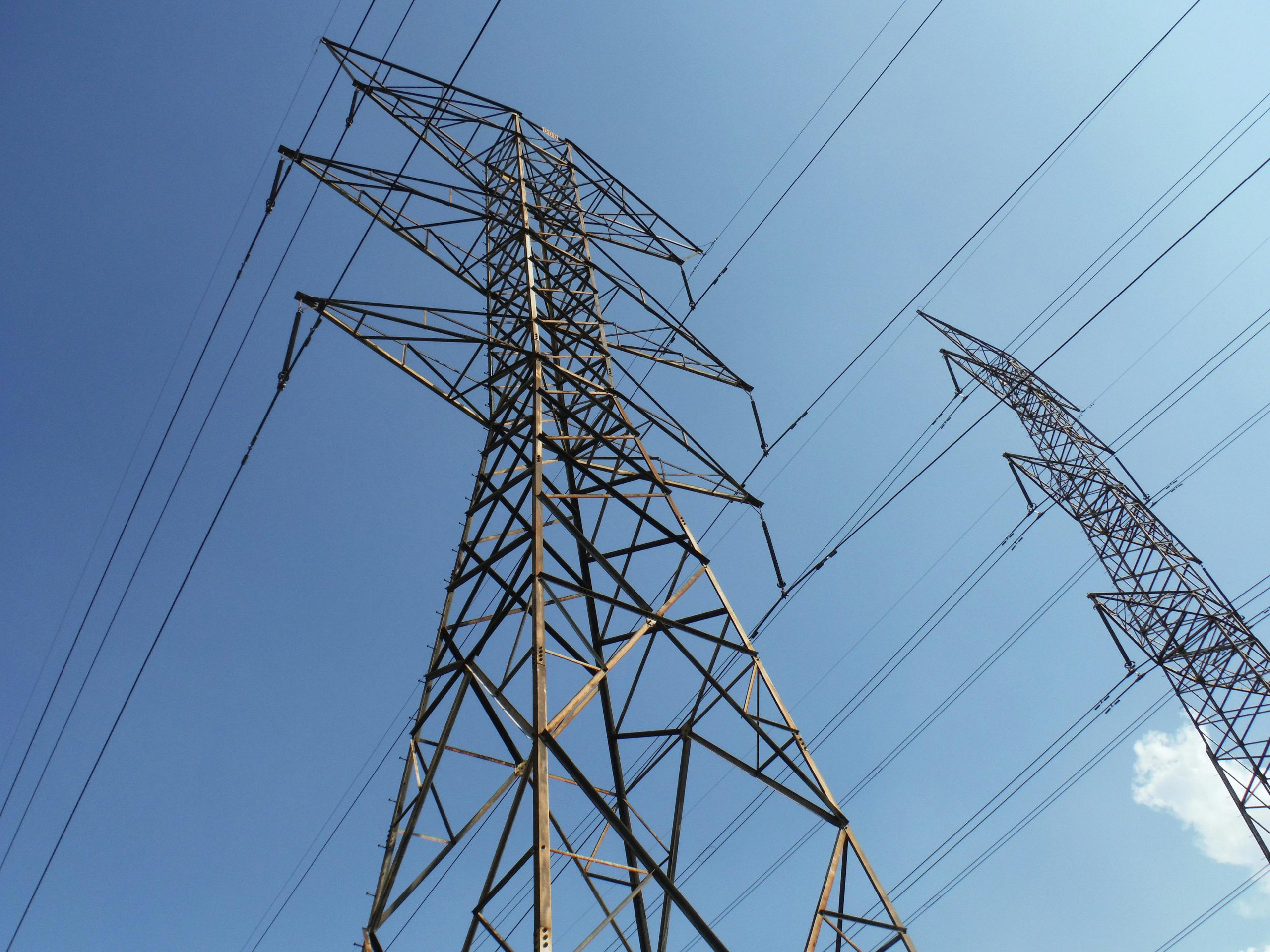
Looking at retail electricity prices to assess the cost of natural gas is like measuring the cost of groceries based on your restaurant bill. Retail electric bills are a combination of regulated delivery charges and unregulated supply costs – and only the latter is tied to the price of natural gas.
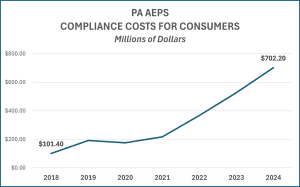
As MSC’s Patrick Henderson pointed out to the reporters, wholesale natural gas prices – the prices power producers pay for fuel – have remained relatively flat in the power sector for years. Meanwhile, delivery charges regulated by the Public Utility Commission have grown – as have costly state renewable and alternative energy mandates.
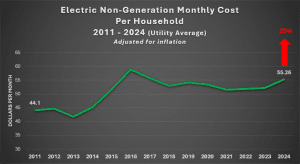
So, to be clear, blaming natural gas for rising retail rates without distinguishing between these two components is not only irresponsible, but it’s misleading at best, or intentional at worst. The maddening part: Inside Climate News acknowledged this nuance but determined its readers were not savvy enough to understand it.
Saving Pennsylvanians Billions
Thanks to natural gas development, Pennsylvania has become one of the largest natural gas producers in the world – and consumers have seen the benefits:
- $9.96 billion in energy cost savings for Pennsylvania natural gas consumers.
- Stable wholesale electricity prices, even as global energy markets saw unprecedented volatility.
- Limited exposure to costly energy imports and price shocks from international events like the war in Ukraine.
As MSC’s Patrick Henderson rightly said, “Prices would be a hell of a lot higher if they weren’t being mitigated by a cheap, abundant resource right in our backyard.”
Massive Environmental Gains
ICN and other so-called “environmental advocates” routinely ignore or downplay the emissions reductions tied directly to natural gas use in power generation. So, let’s remind everyone:
- 46% reduction in greenhouse gas emissions from electricity generation in Pennsylvania since 2005.
- 48% reduction in volatile organic compounds (VOCs) across the sector.
- 93% reduction in nitrogen oxides (NOx) and 98% reduction in sulfur oxides (SOx).
These are not projections. These are real, verified reductions, driven by the increased use of natural gas in power generation across the state. They translate into billions in public health benefits for Pennsylvanians in the form of fewer respiratory ailments thanks to air that today is cleaner than before the dawn of the industrial revolution.
What’s Really Driving Prices Up?
Let’s talk about the actual factors contributing to rising electricity costs – the ones Inside Climate News barely touches:
- State mandates like the Alternative Energy Portfolio Standard required utilities to spend over $700 million in 2024 alone – costs directly passed on to ratepayers.
- Policy uncertainty around programs like the Regional Greenhouse Gas Initiative, which has distorted market behavior and discouraged investment in new power generation.
- Growing demand from large-scale electricity users, which are putting pressure on generation and transmission infrastructure.
None of these have anything to do with natural gas prices – and everything to do with policy choices that implement new mandates, create new demand patterns, and increase compliance costs.
We welcome a serious, honest conversation about energy policy and electricity prices in Pennsylvania. But that conversation must start with facts, not predetermined narratives designed to discredit an industry that has kept the lights on, the schools warm, and the hospitals powered, all while driving down emissions and saving families and businesses billions of dollars.
We encourage policymakers, consumers, and journalists alike to look at the full picture. Because when you do, it’s clear: Pennsylvania’s natural gas is delivering – bigtime.
