


Next week’s methane hearing will generate headlines. Clarity? That’s less certain.
Methane is the very product our industry produces and delivers every day – powering homes, hospitals, and manufacturing across Pennsylvania. And for producers, keeping that product in the system isn’t just good environmental stewardship – it’s core to the business.
While we remain committed to educating policymakers, some continue to promote claims that overlook the realities of our industry or outright deceive consumers. That’s why it’s important to separate rhetoric from reality and take a closer look at what’s actually happening on the ground.
Start with the Facts
Any serious conversation about methane emissions should begin with context – not selective data points.
- Agriculture accounts for roughly one-third of human-caused methane emissions – about twice that of natural gas production and processing
- Natural gas production and processing contribute less than 17% of human-caused methane emissions
- Total U.S. methane emissions from human activity are down 19% since 1990 – even as natural gas production has more than doubled
- Natural sources like wetlands account for roughly one-third of total methane emissions
Read more: Just the Facts: Pennsylvania Natural Gas: Powering Our State While Protecting Our Environment
Pennsylvania Is Getting It Right
The Appalachian Basin consistently delivers the lowest methane intensity of any major natural gas producing region in the country. Independent research from the Clean Air Task Force confirms this. That doesn’t happen by accident.
Operators are continuously:
- Replacing equipment to reduce emissions
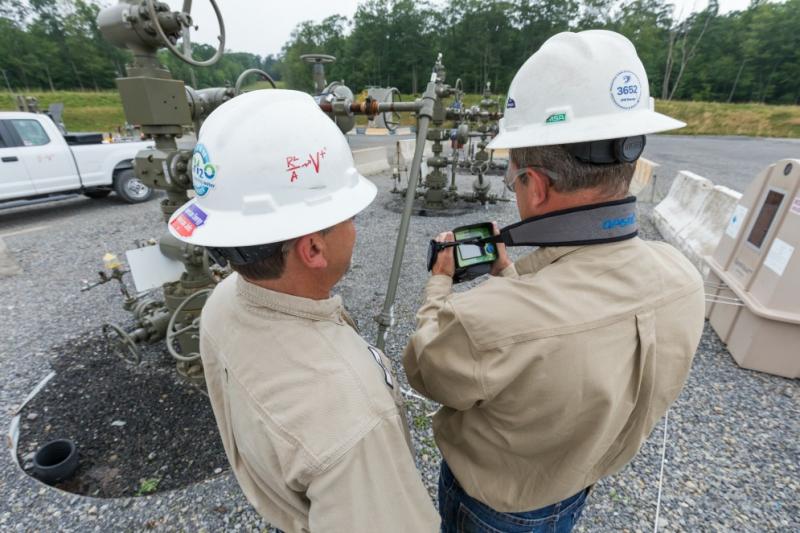
- Deploying real-time monitoring systems
- Using aerial and ground-based detection technologies
- Improving operational practices to minimize venting
Pennsylvania operators adhere to a comprehensive methane regulatory framework established by the Department of Environmental Protection (DEP), requiring leak detection and repair (LDAR), routine inspections, and detailed monitoring across well sites and compressor stations. Operators must conduct regular inspections and submit emissions and operational data, ensuring transparency through publicly accessible compliance records and state oversight.
Where the Narrative Breaks Down
Much of the public discussion around methane hinges on dramatic claims – often built on incomplete or misunderstood data.
Consider the frequent use of the term “super-emitter.” In regulatory terms, that refers to sustained emission levels over time. But many claims are based on momentary snapshots – capturing short-duration, controlled events like maintenance or safety procedures.
Without context, those snapshots:
- Overstate emission volumes
- Misidentify sources
- Turn routine operations into misleading narratives
That’s not how sound policy is built.
A Snapshot Isn’t the Whole Story
New detection technologies, including satellites, are valuable tools but they have limitations. Emission estimates depend heavily on weather conditions, site characteristics, and verification from additional data sources. Without that, conclusions can be off the mark.
Responsible analysis draws from multiple inputs – ground monitoring, aerial surveys, and operational data – not a single point in time.

Context Matters
Hearings are useful – but only if they reflect the full picture. Pennsylvania’s natural gas industry is already leading the nation in methane performance, while continuing to invest in further reductions. That’s a story grounded in data, not rhetoric. If the goal is real progress, the conversation needs to match that reality.
