




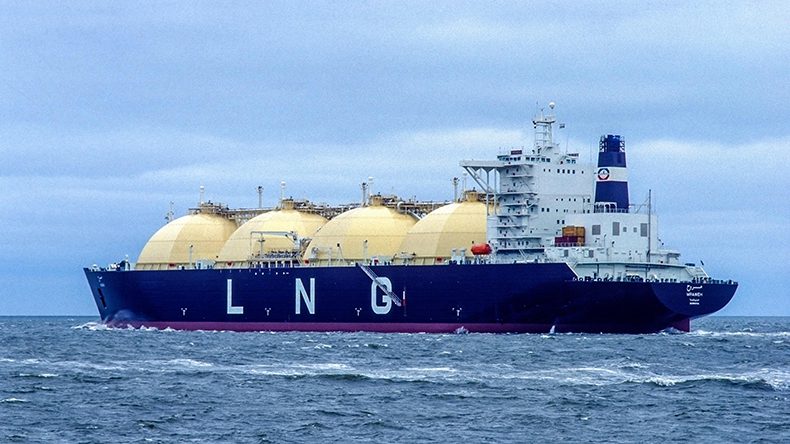
Ten years after the first U.S. liquefied natural gas (LNG) cargo departed Louisiana, energy leaders from across the United States and Europe gathered in Pittsburgh for the EU–U.S. LNG Cooperation 2.0 Summit, marking a milestone for the industry and looking ahead to the next phase of global energy security.
The location was fitting. Pennsylvania sits atop the most productive natural gas formations in the world, and our resources helped power the shale revolution that transformed the United States into the world’s leading natural gas producer and a dominant LNG exporter.
“The foundation of that first shipment — and every cargo since — was powered by production growth in regions like Appalachia,” Marcellus Shale Coalition President Jim Welty wrote in the Pittsburgh Tribune-Review.
Welty’s sentiment was echoed by Ditte Juul Jørgensen, director general for energy of the European Commission, who praised Pennsylvania’s past and current role in supplying energy that is both affordable and sustainable. Critically, Jørgensen credited U.S. LNG for allowing Europe to break away from the Russian-dominated natural gas market and providing energy security.
When Russia invaded Ukraine, American LNG stepped in to help fill the gap, replacing significant volumes of Russian natural gas and helping stabilize global markets.
That shift reshaped the U.S.–Europe energy relationship almost overnight. Today:
- European companies hold the largest regional share of long-term U.S. LNG contracts
- American LNG has become a critical pillar of Europe’s diversified energy supply
- Energy cooperation is strengthening broader transatlantic economic and security ties
“U.S. energy is at the center of this significant change,” Jørgensen said.
Appalachia Powered America’s LNG Rise
America’s rise to the top of the global LNG market was driven by technological innovation and production growth in the Appalachian Basin.
“We cracked the code on shale,” EQT CEO Toby Rice said during the conference. “Horizontal drilling and fracturing gave us the techniques to become the energy powerhouse on the world stage.”
Indeed, in the decades since Range Resources drilled the first commercially viable Marcellus Shale well:
- Appalachia drove roughly 85% of U.S. shale gas production growth
- The basin now produces about 30% of total U.S. natural gas supply
- U.S. production has grown three times faster than LNG exports since 2010
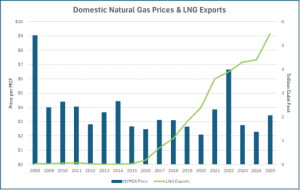
Appalachia’s shale abundance has enabled the United States to expand LNG exports while maintaining a reliable and affordable domestic energy supply. The data makes this clear — despite unfounded claims that increased exports would drive up energy prices at home. Even with a nearly 500% increase in LNG exports from 2017-2025, domestic natural gas prices have fluctuated very little. It is clear that the result of increased LNG exports is not higher prices – but rather increased domestic production, more jobs for American workers, and more royalties for American leaseholders.
Pennsylvania’s LNG Opportunity
Looking ahead, energy leaders at the summit pointed to the region’s unique advantages in sustaining and expanding this critical transatlantic partnership: world-class natural gas resources, proximity to major East Coast ports, and a growing global demand for reliable U.S. energy.
That is, if we can get out of our own way. Appalachia’s chronic infrastructure challenges hold back the region’s capabilities to support growing energy demand. Whether by building a new LNG export facility in southeastern Pennsylvania, which can shave off up to 1,500 miles from the trip to Europe compared to existing Gulf Coast facilities, or expanding pipeline access so domestic consumers can benefit from Appalachia’s natural gas, permitting and legal reform is essential to getting more affordable, reliable American energy to where it’s sorely needed.
“If you care about sustainability, you should care about infrastructure development because that’s what delivers access to clean, reliable energy — Appalachian natural gas,” Welty said.
The summit made clear that the first decade of U.S. LNG exports have reshaped global energy markets. The next decade of this growth, however, is dependent upon the decisions made today.
“That is why we need more infrastructure built out,” Welty said. “The bottom line is Pennsylvania producers are ready to meet the needs of our allies in Europe.”
