


Recent media coverage around natural gas development has renewed questions about setback distances, public health, and environmental protections in Pennsylvania. These conversations deserve thoughtful consideration grounded in facts, data, and the full picture of how natural gas development is regulated today, as well as+ the meaningful benefits it is delivering to the residents of Pennsylvania.
Unfortunately, several articles omitted key facts, misstated portions of Pennsylvania law, and failed to seek input from the very industry they were covering. The articles used pejorative terms regarding natural gas development instead of providing readers with context on nuanced and complex issues.
Pennsylvania has maintained one of the nation’s most comprehensive regulatory frameworks for unconventional natural gas development. Through strong oversight, continuous operational improvements, and advancements in technology, the Commonwealth has demonstrated that energy production, environmental protection, and community investment can, and do, coexist.
A Framework Built Around Protection
Pennsylvania’s modern regulatory structure was established through Act 13 of 2012, which strengthened requirements for unconventional natural gas development, expanded environmental protections, and created the Impact Fee—Pennsylvania’s unique natural gas severance tax.
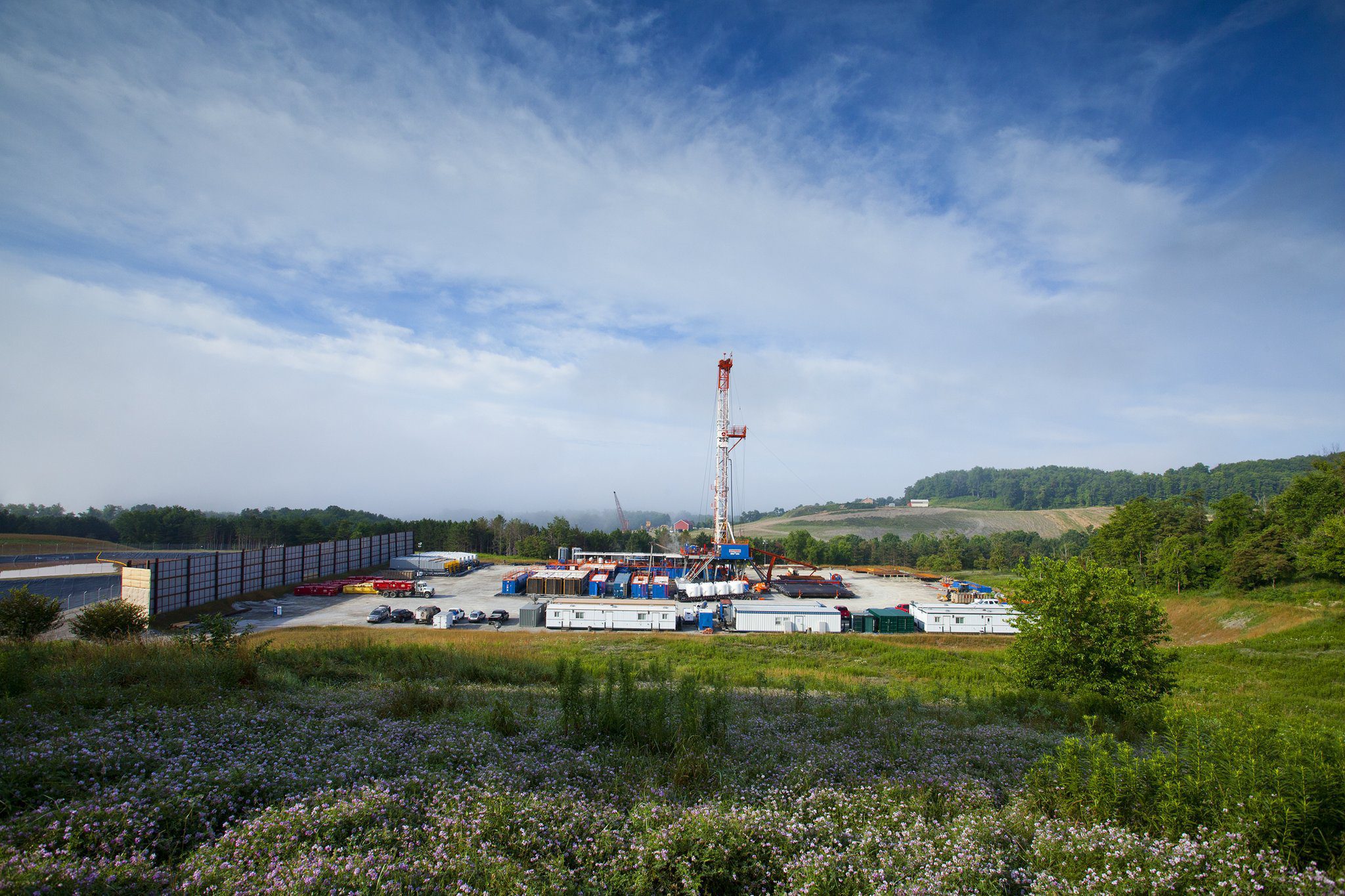
Contrary to claims made in recent reporting, Act 13 prohibits unconventional natural gas wells from being drilled within 500 feet of existing buildings, while also establishing additional protections for water supplies, streams, wetlands, and other sensitive areas. These setback requirements are among the most protective in major natural gas-producing states.
Current standards include:
- 500 feet from existing buildings
- 500 feet from water wells
- 300 feet from streams, springs, wetlands, and other water resources
- 1,000 feet from public water supplies
Act 13 also structured the Impact Fee as the exclusive financial responsibility of producers—royalty owners pay none of it. In other states, their severance tax works differently. The tax obligation is shared between producers and royalty owners. Pennsylvania is also the only state in the nation that increases its Impact Fee rate on an annual basis; this year’s fee rate is 3.8% higher than last year’s impact fee rate.
Pennsylvania’s impact fee ensures that local communities receive dedicated funding from energy development without shifting any of that financial burden onto the landowners and residents who host it.
Following the Science
Public health remains an important consideration in conversations surrounding natural gas development, which is why Pennsylvania’s regulatory framework and operating standards continue to evolve alongside ongoing research and monitoring efforts.
Public discussion should also reflect the full body of available scientific research. While recent coverage highlighted studies suggesting possible associations between shale development and certain health outcomes, it offered little context about numerous peer-reviewed studies that reached vastly different conclusions or found no relationship.
Sound public policy – and responsible journalism – should acknowledge these scientific reports.
Several major health studies conducted in Pennsylvania have not identified a causal relationship between natural gas development and adverse health outcomes. A multi-year study conducted by researchers at the University of Pittsburgh found no association between natural gas development and childhood leukemia, brain cancer, bone cancer, or Ewing sarcoma.
Researchers also found no specific adverse birth outcomes attributable to natural gas development, noting that differences in birth weight observed during the study remained within normal national ranges and posed little health risk.
Even Dr. Ned Ketyer, one of the leading advocates for expanded setbacks, has acknowledged that existing studies do not establish causation between shale development and reported health outcomes, stating:
“None of the studies are saying it’s fracking that’s causing [health ailments]…These studies are not designed to prove causation.”
Health outcomes are influenced by many factors, which is why public policy decisions should be guided by the full body of available evidence, and a clear understanding of what studies do (and do not) conclude.
Protecting Water Resources
Water protection remains one of the most heavily regulated aspects of natural gas development. Pennsylvania operators follow strict requirements governing well construction, water management, waste handling, transportation, and disposal.
Recent data from the Pennsylvania Department of Environmental Protection reinforces the effectiveness of these safeguards. A comprehensive statewide study examining landfill leachate found no evidence that oil and gas waste poses a radiation risk to public health. Researchers also found no correlation between elevated radium levels and landfills that accept oil and gas waste.
In fact, landfills that received at least 10 tons of oil and gas waste over the past decade showed radium results less than one-fifth of those that do not accept oil and gas waste.
Moreover, operators recycle and reuse more than 90% of produced water, reducing waste volumes, truck traffic, emissions, and freshwater consumption.
Continuous Operational Improvements
The natural gas industry is constantly evolving and finding, more efficient and effect ways to safely development Pennsylvania’s natural gas.
Operators have invested in technologies and practices that reduce emissions, improve efficiency, and minimize community and environmental impacts. Equipment upgrades, electrification, water recycling, and improved monitoring systems have strengthened environmental performance while supporting continued production growth.
The Appalachian Basin leads the nation in operational performance, delivering the lowest methane intensity of any major U.S. natural gas producing region according to the federal government and Clean Air Task Force data.
- For context, agriculture accounts for roughly 34% of human-induced methane emissions—about twice the contribution from natural gas production and processing—while U.S. methane emissions from all human-induced sources are down 19% since 1990, even as natural gas production has grown by more than 104%.
At the same time, Pennsylvania producers operate under significant competitive pressures that policymakers should understand. A direct comparison to Texas, for example, overlooks several important distinctions:
- Natural gas in Pennsylvania sells for 20%–40% below prices received in other basins due to insufficient pipeline takeaway capacity.
- Unlike Texas and other shale basins where producers benefit from oil economics on combined oil-and-gas wells, Pennsylvania is an exclusive natural gas state—making per-unit production costs substantially higher.
- Every other state with a traditional severance tax allows producers to recover capital investment before the full tax rate applies; Texas, for example, carries an effective rate of 0%–3.75% for up to 10 years of a well’s productive life.
- Pennsylvania has a broad suite of personal and corporate taxes, including income taxes that generated over $460 Million this past year from natural gas activity. Some states, including Texas, do not levy a corporate or personal income tax.
These conditions underscore the importance of policies that support investment, infrastructure development, and long-term competitiveness. Businesses ought not be viewed as ATMs for politicians to spend more money; they are economic engines that provide jobs and the necessities that support our quality of life.
Consumer and Environmental Benefits
In addition to the economic and tax benefits of shale gas development, Pennsylvanians have seen significant consumer benefits, in the form of lower gas and electric costs, due to the abundance of low-cost natural gas. For example, in 2025 utility customers saved over $8.8 Billion in lower energy costs compared to pre-Marcellus natural gas prices.
On the environment, Pennsylvania’s use of natural gas for power generation has reduced criteria pollutant emissions by up to 98% since 2005, translating into hundreds of billions of dollars of public health benefits. And carbon emissions continue to decline, down over 46% since 2005 despite Pennsylvania being the third largest electricity producer – and largest electricity exporter – in the entire nation.
Moving Pennsylvania Forward
Pennsylvania continues to strengthen its regulatory framework while supporting one of the nation’s leading energy producing regions. Continued innovation, strong standards, and evolving operating practices have helped improve environmental performance while meeting growing energy needs.
Pennsylvania’s experience shows that strong environmental standards and energy leadership can move forward together. As demand for reliable and affordable energy grows, continued investment in natural gas development and infrastructure will help keep Pennsylvania competitive, support local communities, and strengthen the Commonwealth’s energy future.
