


There’s a glaring divide between Washington and Harrisburg over the future of Pennsylvania’s abundant natural gas. In the nation’s capital, the Trump Administration and federal lawmakers are working to strengthen America’s energy leadership by opening markets abroad and lifting communities out of energy poverty. Meanwhile in Harrisburg, state lawmakers are spending part of this week not finalizing the state’s overdue budget, but rather hearing from activists pushing to undermine one of Pennsylvania’s greatest assets.
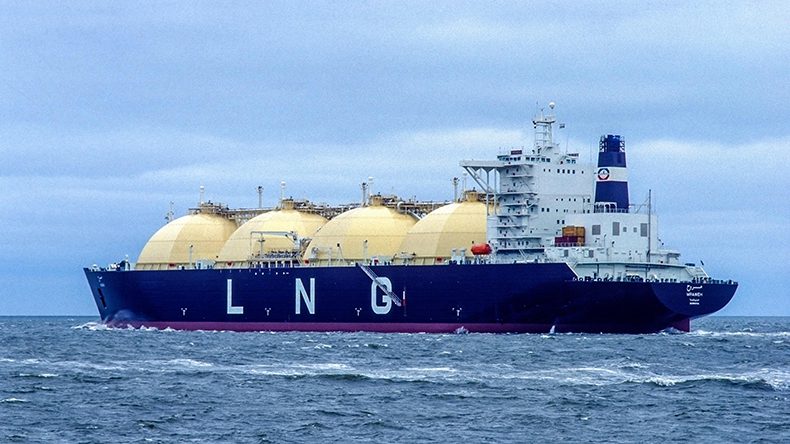
Led by State Representative Greg Vitali, Pennsylvania’s anti-natural gas champion in the legislature, members of the PA House Environmental & Natural Resource Protection Committee met in Chester County to voice opposition to a proposed liquefied natural gas (LNG) export terminal near the port of Philadelphia – a project that would strengthen U.S. energy security, support our global allies, drive local economic growth, and enhance quality of life at home and abroad.
There’s broad consensus on the benefits of exporting our energy abundance through LNG, yet the Committee’s speaker lineup was a who’s who of anti-natural gas activism. Among them was Dr. Robert Howarth – a controversial researcher at Cornell whose study was manipulated to justify the Biden administration’s LNG export pause. His presence clearly signaled before beginning that the hearing would center on climate hysteria to advocate for new restrictions, more bureaucracy, fewer jobs, and less progress. No advocates for Pennsylvania’s energy resources, including the building trades or royalty owners who would benefit from LNG expansion, were invited to share their perspective with the Committee.
At the federal level, however, the Trump Administration and lawmakers increasingly recognize that natural gas exports are directly tied to national security and global leadership.
“Expediting the approval process to export American liquified natural gas to our allies will not only strengthen our economy and create jobs, but it will also ensure that those countries do not have to rely on adversaries for their energy needs. Unleashing American energy is a vital component to our national security,” said Senator Shelley Moore Capito, who recently cosponsored the Natural Gas Export Expansion Act.
America’s LNG export strength proved vital after Russia’s invasion of Ukraine sparked an energy crisis globally, and the U.S. energy industry stepped up to keep Europe warm. According to S&P Global, current U.S. LNG export capacity equals enough fuel to supply 80% of EU households’ heating needs for a full year.
Expanding LNG exports not only bolsters global stability but also lowers emissions: S&P Global estimates an additional 780 million tonnes of CO₂ could be avoided between 2028 and 2040 by using U.S. LNG.
As the world’s largest LNG exporter, the U.S. – broke records four times in 2025, and has done so without compromising domestic energy security. Yet Pennsylvania, which supplies nearly 20% of America’s natural gas, has access to only one East Coast export terminal (Cove Point, MD), forcing producers to rely more on Gulf Coast export terminals. The more efficient market-driven approach, ensuring both local and regional economic benefits, including family sustaining jobs, would be to site a new terminal near Philadelphia.
Natural gas development and use has already created thousands of jobs and generated billions in economic activity across the Commonwealth. Expanding into LNG exports could multiply those benefits – opening new markets for Pennsylvania natural gas and creating additional, lasting opportunities for local workers, particularly those in the building trades. When state lawmakers build barriers instead of partnerships, they hand our competitive edge to other states and countries eager to meet marketplace needs.
“The reliability of foreign markets will improve the feasibility of domestic liquified natural gas production — production that will create jobs in our region and beyond, that will generate revenue for property owners in our region and beyond and meet the needs employers in a global economy have for affordable energy,” Williamsport Sun-Gazette editors thoughtfully shared over the weekend.
For legislators that attended the House Committee hearing this week, the message is simple: you’re not debating a singular local project. You’re shaping America’s energy future by debating whether Pennsylvania will lead or fall behind.
The choice should be clear. Our natural gas is a national asset. It powers our economy and strengthens our allies. Pennsylvania has the resources, the talent, and the responsibility to lead. It’s time to step up.
