


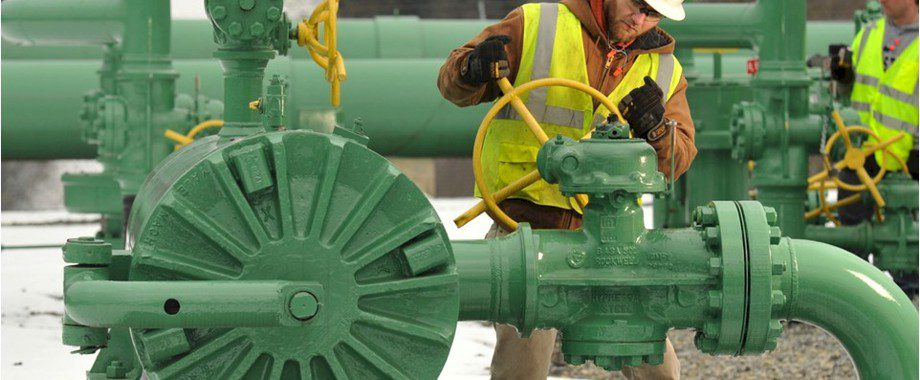
Residents in New York have lived with an avoidable problem for decades: limited access to neighboring Pennsylvania’s abundant, affordable natural gas. For years, politicians blocked the necessary pipeline infrastructure to safely deliver energy to schools, homes and businesses. Those decisions have fueled seasonable price spikes, strained reliability, and left households paying far more for energy.
Last Friday, the long-stalled Northeast Supply Enhancement (NESE) pipeline finally received approvals on key water permits from New York and New Jersey regulators that will deliver affordable Pennsylvania energy directly to America’s largest city – a remarkable shift for two states that once turned their noses at the very infrastructure now keeping their lights on.
Why it Matters
Natural gas pipeline expansion is a critical tool for meeting the dual goals of supplying growing demand for gas and maintaining downward pressure on prices for consumers, a new McKinsey analysis confirms.
Once operational, NESE can supply enough natural gas to power nearly 2.3 million homes and support 2,000 jobs. For a region accustomed to scarcity pricing during cold snaps, this is a structural shift toward stability and affordability.
What Labor, Industry & Political Leaders Are Saying
“Greenlighting NESE is an important step in beginning to lift the energy blockade that’s plagued New York and northeast consumers with higher costs and reliability challenges for far too long,” Jim Welty, president of the Marcellus Shale Coalition said.
“We are proud to move NESE forward and do our part in providing New Yorkers access to clean, reliable, and affordable natural gas. There is increasing recognition that energy affordability directly impacts everyday affordability,” said Williams CEO Chad Zamarin.
“As governor, a top priority is making sure the lights and heat stay on for all New Yorkers,” New York Governor Kathy Hochul said in a statement. “We need to govern in reality.”
“This project will put local contractors and skilled trades to work strengthening the infrastructure that keeps our homes, hospitals, and businesses running…well-regulated projects like NESE are essential to meeting New York’s growing energy needs,” wrote Marc Herbst, Long Island Contractors’ Association’s executive director.
Price Impact
For nearly a decade, limited pipeline capacity has sent winter gas prices soaring above national averages. NESE tackles that bottleneck head-on, while also doing more to benefit the environment:
- Expected to cut electricity costs by up to $6 billion over 15 years
- Projected $3.9–$4.4 billion in net social benefits
- Enables building conversions to natural gas, cutting 13,000+ tons of CO₂ each year
Economic Boost
Building energy infrastructure requires a lot of local jobs and drives investment that creates long-term economic stability. Beyond affordability, NESE functions as regional stimulus:
- Expected to generate ~$548 million in economic activity
- $36.8 million in state and local tax revenue
- Stimulate ~$229.8 million in wages and benefits
Political gridlock kept the Northeast from benefiting fully from nearby energy resources. NESE marks a meaningful shift.by connecting Pennsylvania’s natural gas to consumers in New York and New Jersey strengthening reliability, stabilizing prices and providing lasting relief for families and businesses.
“Governor Hochul’s decision is welcomed and long overdue, but more must be done to build additional pipelines that connect the energy-hungry regions with Pennsylvania’s natural gas abundance,” Welty continued.
