




Last week, Pennsylvania took a giant step forward by finally repealing Pennsylvania’s entry into the Regional Greenhouse Gas Initiative (RGGI), a regional consortium of states that tax power generation under the guise of reducing carbon emissions.
After years of defending the RGGI Tax, Governor Shapiro finally saw fit to show it the door.
Perhaps this was the result of legal pragmatism: recognizing that the state Supreme Court was likely to toss RGGI out on the grounds that it was an unconstitutional regulatory tax.
Perhaps it was political pragmatism: legislative Republicans, and many Democrats – joined by the influential skilled trade unions – had long opposed RGGI because it drove capital investment and jobs to other states.
Or perhaps it was a recognition of a very inconvenient truth: RGGI does not actually reduce carbon emissions but rather serves as a barrier to investment in the power generation needed to drive our economy.
Figures Don’t Lie, But…
On the latter point, don’t take our word for it. Take the word of former Secretary of Environmental Protection Pat McDonnell and his department staff. After paying over $400,000 to a Virginia-based climate consulting firm, even PA DEP could not divert attention from the fact that RGGI would have only resulted in a 0.169% net reduction in carbon emissions. And that was only after being in place for eight years.
0.169%.
So, it’s puzzling when PennFuture CEO Pat McDonnell – yes, the very same former state official who helped usher in RGGI – accuses Governor Shapiro of “betrayal” regarding the state’s climate progress.
Betrayal?
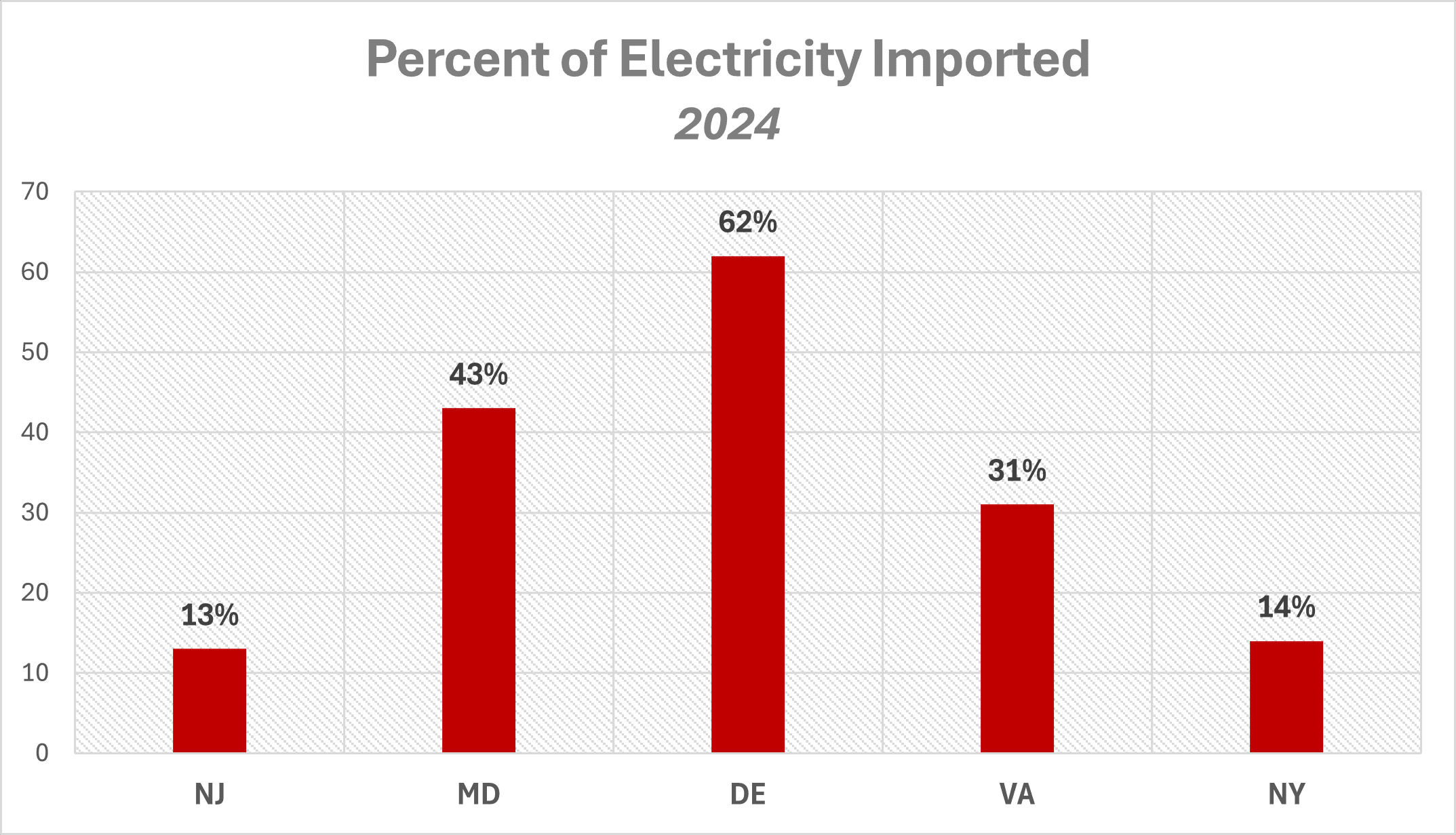
Surely PennFuture and other anti-American energy activists know that RGGI doesn’t advance climate progress. Rather, it simply shuts down in-state electric power generation, shifts generation to neighboring states, and makes consumers dependent on more expensive electricity that needs to be imported.
From where? Well, for starters, from right here in Pennsylvania.
As the chart below demonstrates, Pennsylvania is surrounded by states in RGGI that depend on the Keystone State to keep their lights on – not to mention their schools, hospitals, day cares, nursing homes and other critical facilities running.
An Inconvenient Truth
The stark reality is that RGGI has never been about reducing emissions. It has been about raising tax revenue – and lots of it – from ratepayers to fund a suite of pet projects.
“For years, Pennsylvania has turned away investment and related jobs due to chronic permitting delays and ever-changing criteria for those looking to do business in the Commonwealth… Pennsylvania has lost billions of dollars of investment and the related jobs for our allies in the building trades due to the threat of a carbon tax on electric bills,” said MSC’s Jim Welty in a recent statement.
So, call us skeptical when we hear organizations like the Conservation Voters of PA criticize Governor Shapiro for “surrendering our most powerful tool to lower energy costs.”
Only in an alternate universe can levying a tax on power generation – paid for by consumers – be viewed as a tool to lower consumer energy costs.
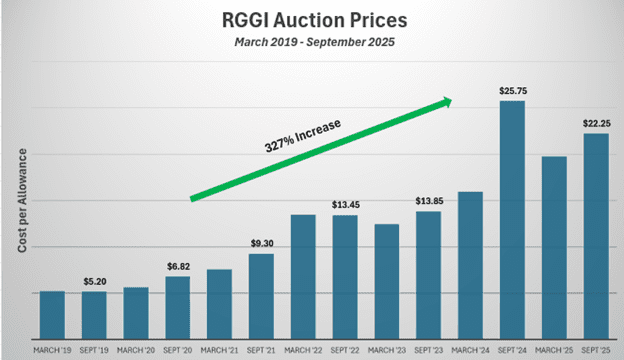
And how expensive is this tool? If Pennsylvania ratepayers were stuck paying the most recent RGGI auction price of $22.25 per allowance, it would amount to a tax of $1.558 Billion a year.
That translates to $293 per household – not for electricity, but just for the RGGI tax on electricity.
We’ll Keep the Lights on for You
While litigation from pro-consumer legislative Republicans and the building trades kept the RGGI tax at bay the past several years, something else also became apparent:
Pennsylvania was not just keeping the lights on here at home – but also keeping the lights on in the pro-RGGI states that had shut down their own in-state power generation.
See, it’s pretty easy to reduce your emissions when you turn the lights and heat off.
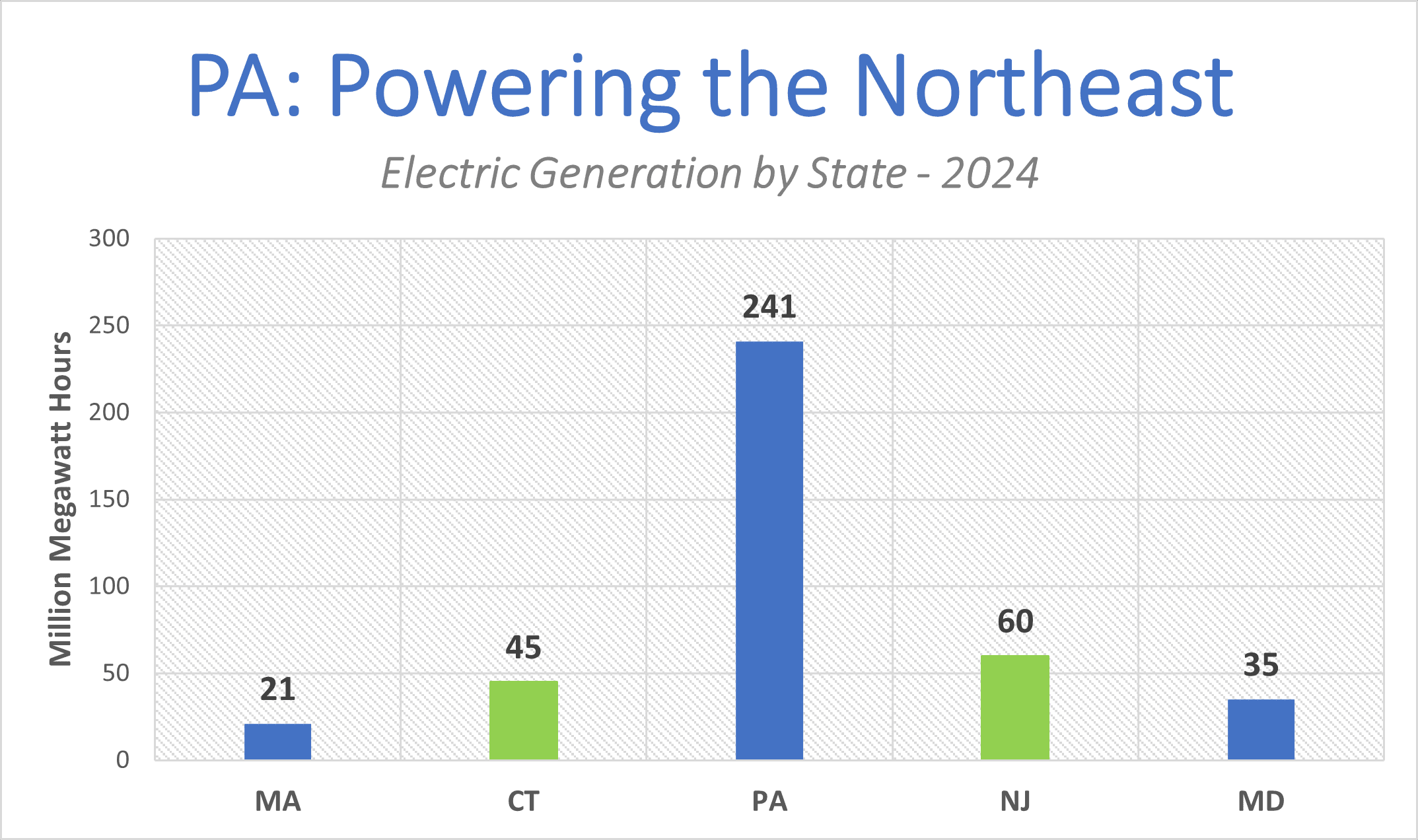
So, how dependent are these states on our electricity?
Consider that Pennsylvania produces 15% more electricity by itself than Connecticut, Maine, Maryland, Massachusetts, New Hampshire, New Jersey, Rhode Island and Vermont…combined…despite these states having 18 million more residents than Pennsylvania.
But don’t worry. We’ll keep on keeping on our neighbor’s lights…because Pennsylvania’s RGGI Era is, thankfully, finally over.
