


Activist-driven media increasingly relies on incomplete data and stripped-down narratives to generate alarm. The latest example is an Inside Climate News series – blindly republished in a handful of Pennsylvania outlets without any fact checking – that claims Pennsylvania has failed to manage waste from natural gas development.
The Marcellus Shale Coalition recently pushed back on this false narrative which was reprinted in the Reading Eagle, emphasizing that the reporting overlooks critical data, regulatory context, and decades of oversight. But given the speed in which misinformation can spread these days, it’s worth reiterating some basic facts:
1. Inside Climate News is not a neutral news outlet. It’s an advocacy platform funded by a familiar band of anti-domestic energy activists with a clear goal: defeat progress by bottling up America’s abundant natural resources. While ICN’s lack of traditional editorial balance is unsurprising, it is concerning that mainstream media outlets would carry their propaganda as fact without checking the source or verifying the claims. Reporting that starts with a predetermined conclusion inevitably excludes any facts that complicate, or contradict, the narrative.
2. Naturally occurring radioactive materials are part of the world around us – in soil, rocks, water, and even the food we eat. Extensive studies by the Pennsylvania Department of Environmental Protection (PA DEP), the U.S. Geological Survey, and the Nuclear Regulatory Commission consistently found little to no risk to public health from properly managed waste. Those are the facts supported by years of real-world data, experience, repeated analysis, and independent review.
- PA DEP: “There is little or limited potential for radiation exposure to the public and workers from the development, completion, production, transmission, processing, storage, and end use of natural gas.”
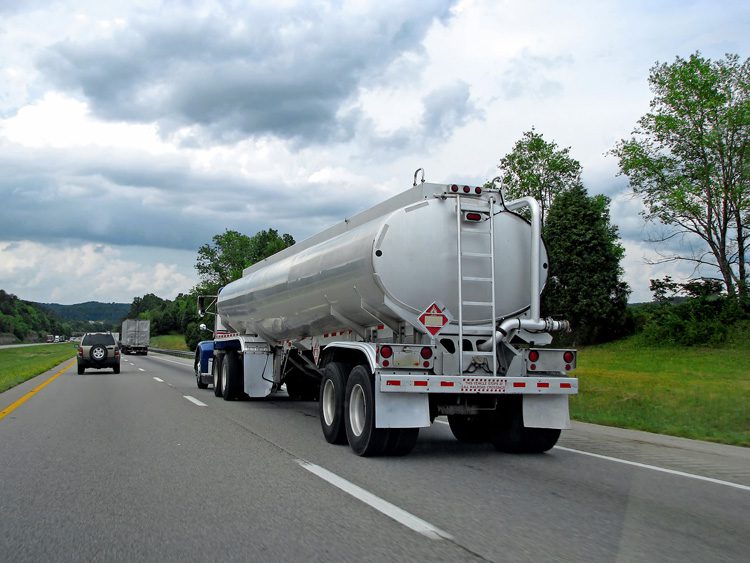
3. Waste management is heavily regulated. Pennsylvania’s natural gas industry operates under one of the most comprehensive waste management systems in the country. Every stage of waste handling is subject to strict oversight by state (PA DEP) and federal (U.S. EPA) regulators. Waste is tested and characterized by accredited laboratories before it is transported or disposed, trucks are screened for radioactivity, and disposal volumes are tracked and reported thoroughly.
These safeguards are mandatory and were shared with ICN, but unfortunately omitted alongside other key facts such as:
- The unconventional natural gas industry hasn’t sent liquid waste to publicly owned treatment works (POTWs) since the industry voluntarily stopped doing so in 2011
- Approximately 90% of produced water (waste) is recycled and reused by Pennsylvania operators, dramatically reducing disposal volumes, truck traffic, emissions, and freshwater use
- Any remaining liquid waste is safely disposed of in US EPA approved and permitted deep injection wells that are thousands of feet underground – far below drinking water aquifers
- Landfill liquids (leachate) are tested to make sure they do not harm the environment
- Landfills and operators follow Radiation Protection Action Plans to track and safely handle naturally occurring radioactive materials (NORM/TENORM)
4. Pennsylvania sets the transparency standard. Natural gas is the only industry in the Commonwealth required to report waste volumes monthly, along with detailed annual, well pad-specific reports covering every waste stream. This data is publicly available and easily accessible through the DEP’s electronic reporting system. Landfills are also subject to strict annual caps on oil and gas waste – an added safeguard that applies to no other industry. No other sector in Pennsylvania operates under this level of disclosure and oversight.
Natural gas operators in Pennsylvania are closely regulated and publicly accountable. Pennsylvania residents deserve facts – not contrived narratives intended to scare them, and they deserve better accountability from the media that peddle these narratives.
